September 17, 2026

Historically, public media relied on public funding while also developing robust donor relationships and revenue operations. Digital advertising has not been a big piece of the revenue pie. Now, in light of Congress eliminating public funding for media in the public interest, new revenue streams need to be created. Fortunately, due to developments in the advertising market, now is a better time than ever for quality media organizations committed to providing content for the public good.
Building a unified Private Marketplace (PMP) tailored for public media—armed with both a human-operated direct sales workflow and an AI Sales Agent interface for AI buyers—presents a compelling strategic advantage.
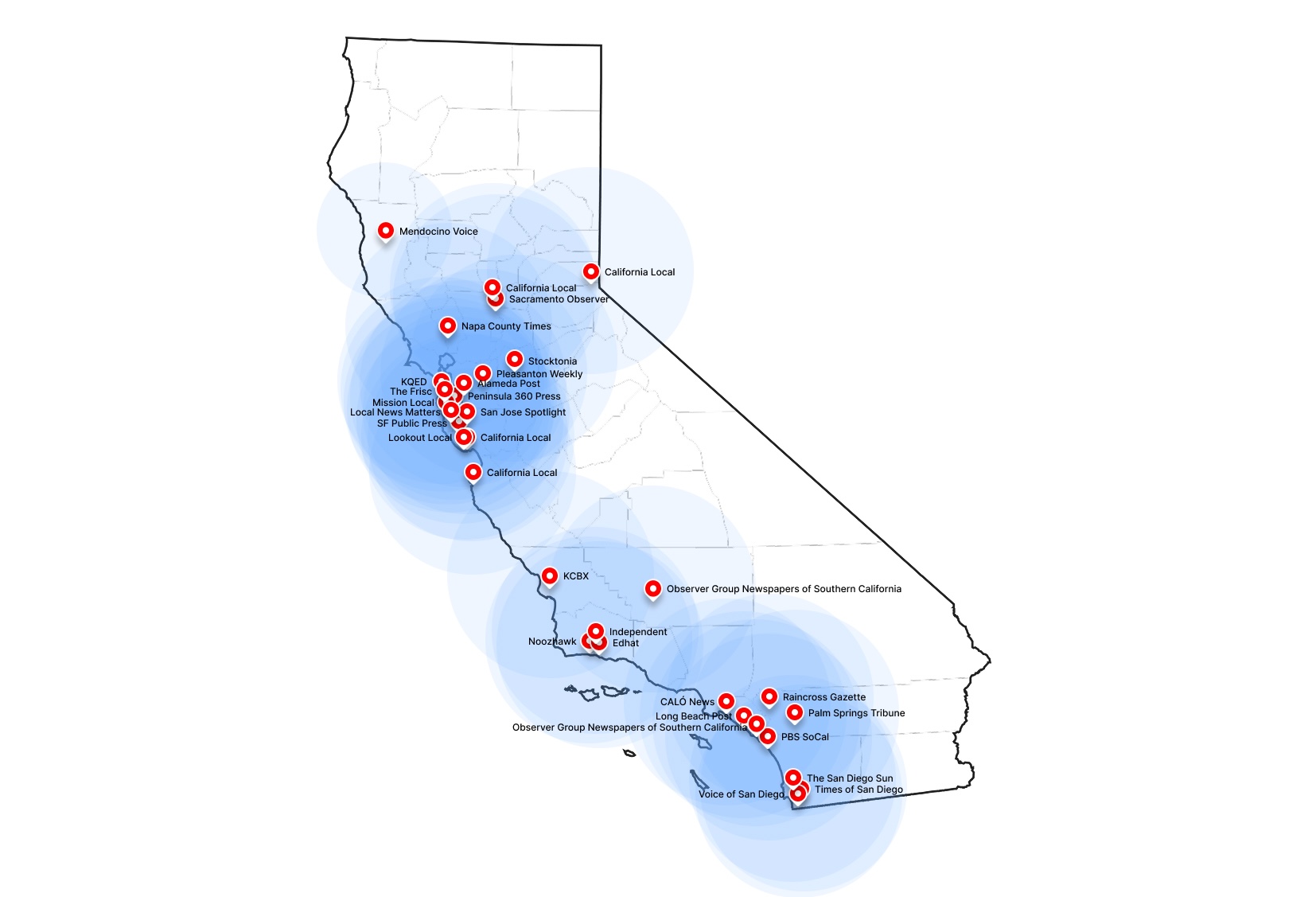
Public media publishers (such as local news organizations, independent journalism outlets, and public broadcasters) possess unique brand safety, high-trust environments, and deeply engaged audiences. However, they are often locked out of high-margin programmatic PMPs and AI-driven media budgets because buyers lack an efficient way to discover and transact against their distributed inventory.
A dual-route marketplace addresses this gap through several core vectors:
As enterprise brands and agencies shift toward AI-driven media planning tools and autonomous buying agents, publishers that lack an agent-readable catalog will be entirely invisible to these automated pipelines.
Public media faces unique commercial constraints—often balancing commercial advertising with mission-driven underwriting guidelines, distinct sponsor messaging requirements, and regional audience targeting.
While major programmatic exchanges are frequently saturated with generic display inventory and MFA (Made-For-Advertising) sites, public media offers authentic local context.
A hybrid PMP bridges the gap between legacy direct sales and the next generation of programmatic commerce. By combining a human-friendly sales tool with an AI interface, public media organizations protect their underwriting integrity and local sales workflows while positioning themselves to capture automated, high-intent spend from AI buyers the moment they enter the market.